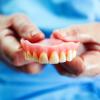

Can Invisalign Fix Teeth Gaps and be used for Diastema Closure?
Invisalign clear aligners are an effective treatment for diastema, commonly known as gap teeth or gap between teeth. Diastema is caused by misaligned teeth, leading to noticeable gaps. The Invisalign system works by gradually moving our permanent teeth into better positions. It is particularly effective for teeth gaps up to 6mm wide.
For those with gaps larger than 6mm, other treatments might be more suitable. Options to address the gap between teeth include dental bonding, porcelain veneers, dental implants, and dental surgery. Invisalign offers an almost invisible option, making it a popular choice for many seeking a metal-free solution.
How Long Does it Take Invisalign to Close Gapped Teeth?
Invisalign can effectively close gaps of various sizes. For gaps less than three millimetres, Invisalign typically takes about six months. For gaps between three and six millimeters, it usually takes around nine months.
- Invisalign moves teeth about 0.2mm per aligner, which is changed every 2 weeks.
- Treatment times may vary, but Invisalign can be an effective choice for closing tooth gaps and achieving a straighter, healthier smile.
Benefits of Invisalign for Gapped Teeth
Nearly Invisible
Invisalign offers a discreet solution for those feeling self-conscious about traditional braces. These clear aligners are virtually invisible, allowing us to go about our daily routines without anyone knowing we’re undergoing orthodontic treatment. This not only boosts our confidence but also eliminates any potential discomfort from noticeable metal braces.
Removable
One advantage of Invisalign is that the aligners are removable. We can take them out when eating or drinking, which means we can enjoy all our favourite foods without worrying about something getting stuck. Additionally, this removability makes it easier to clean the aligners themselves, ensuring better oral hygiene and healthier gums.
Convenience
Invisalign is known for its convenience. It requires fewer visits to the orthodontist compared to traditional braces. Instead of going every 4-6 weeks, our check-ups are spaced out to every 10-12 weeks. This results in less time spent in the dental office. Moreover, the treatment duration is generally shorter, often achieving straighter teeth in four to six months less time compared to braces. Excessive thumb-sucking and prolonged habits like thumb-sucking can pull the front teeth forward, creating spaces between the teeth.
Easier to Keep Your Teeth Healthy
Traditional braces can make brushing and flossing a challenge, leading to potential plaque build-up and tooth decay. With Invisalign, this problem is mitigated as the aligners can be removed, allowing us to brush and floss our teeth properly. This ease of cleaning leads to better oral hygiene, reduced plaque accumulation, and lower chances of developing gum disease.
Other Benefits
- Improves Our Smile - By following Invisalign treatment, we can achieve a new and straighter smile.
- Prevents Bruxism - Invisalign helps protect our teeth from the effects of unconsciously grinding our teeth (bruxism).
- Medical-grade Material - The aligners are made from a safe, medical-grade material.
- Comfortable and Easy to Use - The aligners are designed to be comfortable and make our orthodontic journey hassle-free.
- No Metal Wires or Brackets - Unlike traditional braces, Invisalign doesn’t have metal wires or brackets that could cause discomfort or injure the mouth.
By opting for Invisalign, we can enjoy these numerous benefits while working towards a healthier and more confident smile.
Is Invisalign Treatment Right for You?
Invisalign treatment can be a great choice, especially for adults and teenagers with mild tooth gaps. Traditional braces can be viewed as distracting or unprofessional, making Invisalign a more appealing option for many. Our clear aligners work faster and are less noticeable. But, if your tooth gap exceeds 0.06mm, traditional braces might be more effective. Always consult with an orthodontist to find the best solution.
Before starting your treatment to close gaps between your teeth, it’s important to have an initial consultation to determine if Invisalign is the right solution for you. Learn more about what to expect during the Invisalign consultation process.
Types of Teeth Gaps Invisalign Can Fix
Gap Between Front Teeth
A gap between the front upper or lower teeth is called midline diastema. These gaps are often noticeable as they occur in the most visible part of the mouth. Diastema commonly appears between the two upper front teeth but can occur between any two teeth.
Pushing Tongue Against Teeth
Some individuals press their tongue against their top teeth when swallowing, causing gaps to form. This habit, known as tongue thrust, disrupts the natural alignment of the teeth.
Thumb-Sucking Habit
Children who suck their thumbs for extended periods may develop gaps in their teeth. The constant pressure from the thumb can push teeth apart, leading to gaps over time. Thumb-sucking can also affect the positioning of baby teeth, potentially causing gaps as the permanent teeth grow.
Spaces Due to Missing Teeth
Missing teeth, especially in the front, can lead to gaps. These gaps appear when teeth are not present. Invisalign can adjust the alignment of surrounding teeth to fill the empty spaces.
Soft Tissue Growth
An enlarged frenum, the tissue connecting the lips and gums, can lead to gaps in the teeth. This disruption is often corrected with a combination of Invisalign treatment and a frenectomy, a minor surgical procedure.
Are Gaps in Teeth Susceptible to Treatment?
Gaps between teeth, mostly seen as a cosmetic issue, usually do not cause severe problems. Nonetheless, some individuals might feel self-conscious about their appearance, leading them to seek treatment. Up to 97% of children have spaces between their baby teeth, and most close naturally once the permanent teeth grow. If diastema arises from severe gum disease, immediate treatment becomes necessary, typically involving a procedure called scaling and root planing. Additionally, untreated gaps can cause other teeth to shift, impacting bite alignment. Hence, addressing the gaps early can prevent potential complications.
How Invisalign Aligners Work to Close Teeth Gaps
- Custom-made trays gradually shift the remaining teeth into the correct position, closing the gap.
- Invisalign aligners are a versatile solution for addressing various dental concerns, including missing tooth gaps.
Benefits of Invisalign for Gappy Teeth
Discreet and Comfortable Treatment
- Compared to braces, Invisalign aligners are less painful and more comfortable.
- They also work faster and provide better oral hygiene.
Customized Aligners for Precise Gap Closure
Closing gap front teeth with the Invisalign system is extremely popular due to the metal-free aesthetics of our clear aligners. Invisalign can also address issues related to crooked teeth, providing a comprehensive solution for various dental concerns.
The treatment process may vary, depending on the cause, size, and location of the gap.
Choosing the Right Treatment Options for You
Invisalign vs. Braces for Fixing Gaps in Teeth
- Invisalign is a suitable option to treat spaces between teeth, offering a discreet alternative to traditional metal braces.
- The Invisalign system is equally equipped to treat spaces between teeth and may be more effective.
Other Treatment Options
Home-Based Aligners
Home-based aligners are a clear aligner treatment method where your progress is remotely monitored through an app by a professional. Similar to Invisalign, these aligners gently adjust your teeth to close gaps. While they are convenient, keep in mind that home-based aligners are best for mild cases of diastema. More severe gaps might need other solutions.
Dental Veneers
Veneers are thin coverings made from either composite resin or porcelain. They can correct various dental issues, including diastema. For those who want a less permanent solution, snap-on veneers are available. These can be clipped onto your teeth to conceal the gaps and are less costly compared to traditional porcelain veneers, requiring minimal commitment.
Traditional Braces
Traditional metal braces are a common solution for diastema. These braces gradually move your teeth into the correct position over time. If you prefer a less visible option, lingual braces are an alternative. Lingual braces are fitted to the inside of your teeth, making them invisible from the outside.
Dental Bonding
- Tooth bonding is ideal for tiny gaps or if a chipped tooth is the reason behind the gap.
- The dentist uses UV light to bond tooth-coloured resin to the tooth.
Dental Veneers
- Dental veneers are highly customizable and suitable to treat minor teeth gaps.
- The dentist first matches the veneer to your natural teeth colour and removes a thin layer of enamel from your tooth to bond the veneer.
Dental Implants
- In cases where the gap is caused by a missing tooth, your dentist may suggest a dental implant to fill up the tooth gap.
Surgery
- If the cause behind your gapped teeth is an enlarged labial frenum, a type of surgery called a frenectomy is necessary.
- Followed by appropriate treatment, such as Invisalign.
Summary
Invisalign is a well-known orthodontic solution used to correct tooth gaps, which are also known as diastema. Diastema usually presents a cosmetic issue, prompting many to pursue treatment to boost their confidence. Invisalign offers numerous advantages for fixing these gaps. Some people may prefer other treatments instead of Invisalign for closing tooth gaps.
Benefits of Invisalign:
- Nearly invisible aligners
- Comfortable and removable
- Gradual, effective results
Treatment times can vary, typically taking between three to six months, depending on the size of the gaps and patient compliance. Costs can vary, making it essential to determine if Invisalign is the right option for you. Various types of tooth gaps can be improved with this treatment.
Frequently Asked Questions
How effective is Invisalign in closing gaps between teeth?
Invisalign is quite effective in closing spaces between teeth. The clear aligners apply gentle, constant pressure that gradually shifts the teeth into their desired positions. This method can be used to fix both small and moderate gaps, making it a popular choice for many.
What are the estimated costs involved with using Invisalign to treat spacing issues?
The cost of using Invisalign to treat gaps between teeth varies. It usually ranges from £3,000 to £5,000 for a full treatment. Factors like the extent of the spacing, the complexity of the case, and the duration of treatment can influence the final cost.
Can Invisalign be used to close gaps resulting from extractions?
Yes, Invisalign can close gaps caused by extractions and missing teeth in combination with treatments such as dental bonding or veneers to close the gap fully.
What is the duration of treatment for closing front teeth gaps with Invisalign?
The length of treatment for closing gaps in the front teeth with Invisalign typically ranges from 6 to 18 months. The exact duration depends on the size of the gaps and the patient's specific dental needs. Each aligner is worn for about two weeks before progressing to the next in the series.
What size gaps can Invisalign fix? Are there any limitations to the size of gaps Invisalign can address?
Invisalign can address a variety of gap sizes, but there are some limitations. Very large gaps, usually more than 6mm, might require additional dental procedures or interventions. Our orthodontist can provide tailored advice based on an individual's unique condition.
What should one expect in terms of before and after results when using Invisalign to correct dental spacing?
Patients using Invisalign to correct dental spacing can anticipate noticeable improvements. Before starting, an initial consultation and digital scan create a personalised treatment plan. During the treatment, aligners are changed regularly to gradually move the teeth. After completing the treatment, patients often see a significant reduction or complete closure of their dental gaps, leading to a more aligned and aesthetically pleasing smile.