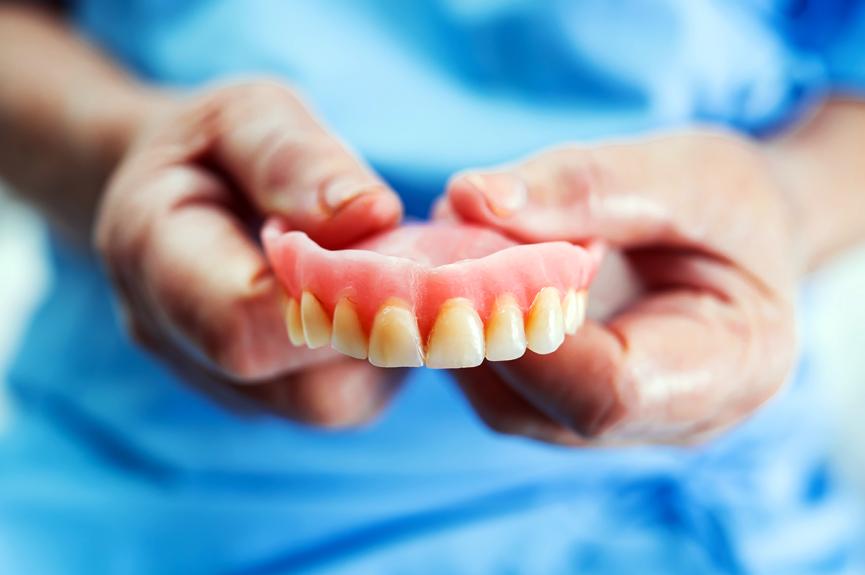
Overdentures are a new solution for those who have lost teeth, a comfortable and natural looking alternative to traditional dentures. Traditional dentures have limitations such as poor fit, speech difficulties and aesthetic concerns. This guide will explain overdentures, how they differ from other dental prosthetics, the benefits and what to consider when choosing this treatment.
Definition and Explanation of Overdentures
Overdentures are a type of dental prosthesis designed to replace missing teeth or an entire arch. They can be supported by natural teeth, dental implants, or a combination of both, and they provide a more stable and secure solution than traditional dentures. Overdentures can be either removable or fixed, depending on the type of support used, allowing patients flexibility in their dental care.
How Overdentures Differ from Traditional Dentures
Traditional dentures are held in place by suction or adhesives and can shift or fall out while eating or speaking, causing fit issues, speech difficulties and aesthetic concerns. This can result in discomfort and limited ability to chew harder foods. Overdentures are anchored to natural teeth or dental implants so they are more stable. This stability means better chewing function and prevents bone loss and facial sagging over time.
They are custom-made to fit the patient's mouth and can be made to match the colour and shape of their natural teeth. This means a more natural look and feel.
Types of Overdentures: Implant-Supported, Tooth-Supported, and More
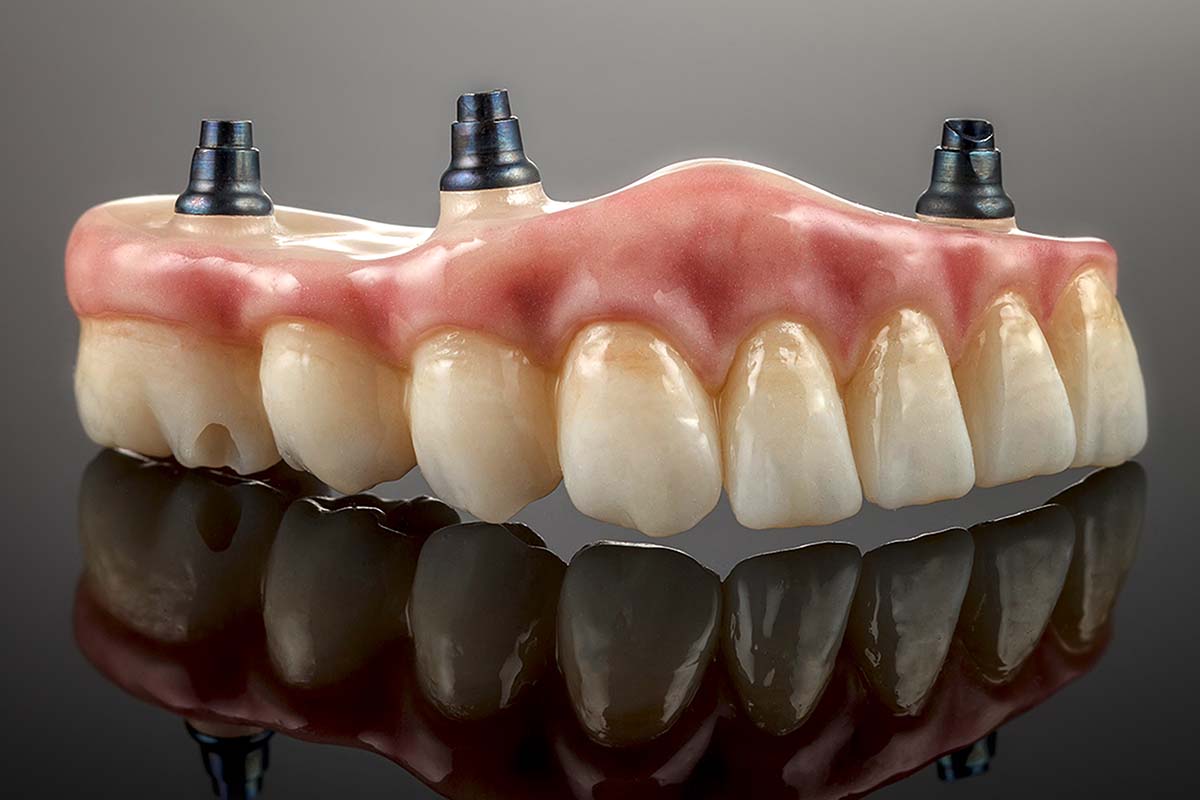
There are various types of overdentures based on the support they rely on:
Implant-Supported Overdentures
These are attached to dental implants, which are surgically placed into the jawbone. The implants provide a strong and stable base for the overdentures, making them secure and durable. They can be removed for cleaning, but the implants ensure they remain firmly in place while eating and speaking.
Tooth-Supported Overdentures
In cases where some natural teeth remain, tooth-supported overdentures use these teeth as anchors. These overdentures provide similar benefits to implant-supported ones but rely on the remaining natural teeth for support and stability.
Hybrid Overdentures
Hybrid overdentures combine both natural teeth and dental implants for support. This can be an ideal solution for patients with enough remaining natural teeth but also require additional stability from implants.
Removable Dentures: A Traditional Alternative
Conventional dentures are an alternative to overdentures, more affordable and widely available for patients with missing teeth. They are made of acrylic or metal and are meant to be taken out and cleaned. Held in place by suction or adhesives which can sometimes be uncomfortable or irritating. But with proper care and maintenance removable dentures can be a reliable and good solution for restoring a patients smile and overall well being.
One of the biggest advantage of over dentures is their affordability. They are generally cheaper than overdentures so it’s more accessible to patients on a budget. They are also widely available and can be done by most dentists so patients can get treated right away.
However removable over dentures also have their drawbacks. They can slip or fall out which can be embarrassing and inconvenient especially during eating or speaking. Removable dentures may not have the same chewing function as overdentures so eating certain foods can be difficult. This can affect a patient’s nutrition and overall health especially if they need to avoid harder or chewy foods.
Despite all these removable dentures is still a option for many patients. They are a practical solution for those who need to replace missing teeth but not a candidate for or cannot afford overdentures. With the advances in technology modern dentures are more comfortable and natural looking than ever before so patients can get back their confidence and overall well being.
Benefits of Overdentures for Missing Teeth
Comfortable and Natural-Looking Solution
One of the main benefits of overdentures is that they offer a solution that both looks and feels natural. The custom design allows them to closely resemble natural teeth, restoring a patient’s smile and boosting their confidence. Because they fit securely, they also eliminate many of the discomforts associated with traditional dentures, such as slipping or sore spots.
Supports Good Nutrition and Overall Health
Overdentures help patients maintain a more balanced diet by enabling them to chew a wider variety of foods. Conventional dentures can negatively impact nutrition, especially for older adults, due to their poor fit and the need to avoid certain foods. Unlike traditional dentures, which may require patients to avoid harder or chewy foods, overdentures provide the stability needed to eat more normally. This helps prevent malnutrition and related health problems, especially in older adults.
Preserves Jaw Health, Function, and Aesthetics
Overdentures help prevent bone loss and the associated facial sagging that often occurs after tooth loss. By stimulating the jawbone during chewing, they slow the resorption process, helping to maintain the natural shape and function of the jaw. This also improves the overall appearance of the face, keeping patients looking younger for longer.
Candidacy for Overdentures
Not every patient is an ideal candidate for overdentures, and several factors will affect eligibility.
Factors Affecting Eligibility: Gum Health, Bone Density, and More
To qualify for overdentures, patients need sufficient gum health and bone density to support the overdenture’s structure. Retaining lower teeth is crucial as it helps minimize bone resorption and promotes better outcomes for prosthetic treatments and overall dental health. Those with advanced gum disease or severe bone loss may need additional treatments, such as bone grafts, to become candidates. Additionally, patients must have either natural teeth or implants that can provide support. Certain medical conditions, such as uncontrolled diabetes, may also impact a patient’s suitability for this treatment.
Dental Implants: A Key Component of Implant-Supported Overdentures
For implant-supported overdentures, dental implants are surgically placed into the jawbone. These implants, usually made of titanium, are designed to integrate with the surrounding bone, providing a secure and stable base for the overdenture. Implants ensure that the overdentures stay in place and function as naturally as possible.
The Overdenture Process
The process of getting overdentures involves several steps:
Initial Consultation and Examination
The first step is an in-depth consultation and examination with a dental professional. During this appointment, the dentist will assess the patient’s teeth, gums, and jawbone to determine if they are a good candidate for overdentures. The dentist will also discuss the different types of overdentures and associated costs.
Implant Placement and Abutment Attachment
If implant-supported overdentures are chosen, the next step is to surgically place the implants into the jawbone. After a healing period, abutments are attached to the implants, providing a base for the overdentures to connect securely.
Taking Impressions and Fitting the Overdenture
Once the implants or abutments are in place, impressions are taken to create a custom overdenture that will fit the patient’s mouth perfectly. Once ready, the overdenture is fitted and adjusted as necessary for comfort and functionality.
Overdenture Options
Patients can choose from a range of overdenture options based on their preferences and dental health.
Implant-Supported Overdentures: Stability and Function
Implant-supported overdentures are ideal for patients looking for a long-lasting, secure solution. They provide greater stability, allowing patients to eat and speak without worrying about dentures slipping. However, they can be more expensive than traditional dentures or tooth-supported overdentures.
Tooth-Supported Overdentures: Using Natural Teeth for Support
For those with remaining healthy teeth, tooth-supported overdentures are a viable option. They tend to be less expensive than implant-supported overdentures but still provide significant improvements in comfort and function over traditional dentures.
Advantages of Overdentures
Long-Lasting Solution for Tooth Loss
With proper care, overdentures can last for many years, providing a reliable and long-lasting solution to tooth loss. Overdentures can effectively restore the appearance and function for individuals with partial tooth loss. They are easy to maintain, and their stability means fewer adjustments over time.
Easy Maintenance and Care
Overdentures can be easily cleaned and maintained. Removable overdentures are taken out at night and cleaned with a soft-bristled toothbrush, while fixed overdentures are brushed and flossed just like natural teeth.
Cost-Effective Compared to Individual Dental Implants
While overdentures may have a higher upfront cost compared to traditional dentures, they are more cost-effective than replacing each tooth with individual implants. They offer a balance between affordability and functionality, making them an appealing option for many patients.
Potential Drawbacks of Overdentures
Complications: Implant Failure, Bone Loss, and More
As with any dental procedure, there is a risk of complications such as implant failure or bone loss. Patients must follow proper care and maintenance instructions to reduce these risks.
Higher Upfront Cost Compared to Traditional Dentures
The cost of overdentures can be higher than traditional dentures due to the use of implants or natural teeth for support. However, many patients find that the long-term benefits outweigh the initial expense.
Overdenture Alternatives
Traditional Dentures: Pros and Cons
Traditional dentures are more affordable but may not offer the same level of stability and function as overdentures. They are held in place by suction or adhesive, which can sometimes fail during eating or speaking.
Hybrid Dentures: A Combination of Implants and Dentures
Hybrid dentures are a blend of implants and traditional dentures, offering a middle ground between the two. They provide better stability than traditional dentures but are generally more affordable than full implant-supported overdentures.
Overdentures vs. Implant Dentures: Key Differences
Both implant overdentures and implant dentures provide significant improvements over traditional dentures, but they differ in a few key ways.
- Removability: Overdentures are removable, making them easier to clean and maintain. Implant dentures, however, are fixed in place by a dentist and cannot be removed by the patient, offering a more permanent and natural-feeling solution.
- Support and Stability: Both options offer better stability than traditional dentures. Overdentures are securely anchored but can be taken out for cleaning, while implant dentures are permanently fixed, mimicking the feel of natural teeth.
- Maintenance: Overdentures need to be removed daily for cleaning, while implant dentures require regular brushing and flossing like natural teeth.
- Bone Health: Both options help preserve jawbone health by providing stimulation that prevents bone loss, which is a common issue with traditional dentures.
In summary, the choice between overdentures and implant dentures depends on personal preferences, lifestyle, and the level of convenience you want. Overdentures offer flexibility with removability, while implant dentures provide a more fixed and natural-feeling experience. Consulting your dentist can help determine which option suits your needs best.
Cost of Overdentures
In Singapore, the approximate prices for dental prosthetics vary depending on the type of denture. Acrylic dentures start at around SGD 400, while more advanced options like flexi-base or cobalt chrome dentures are priced from SGD 620. Complete dentures typically cost around SGD 750.
For implant-supported overdentures, which provide greater stability and comfort, prices start at approximately SGD 2,600, reflecting the more complex procedure involved. These prices are inclusive of GST.
Factors Affecting Cost: Implant Type, Materials, and More
The cost of overdentures can be quite varied depending on several factors, including the type of implant used, the materials used to make the denture and the complexity of the procedure. Knowing these factors will help patients make informed decisions and plan accordingly.
One of the main factors that affect the cost of overdentures is the type of implant used. Dental implants can be made of titanium or zirconia, titanium is the most common and affordable option. Titanium is strong and durable, a good choice for many patients. But zirconia is becoming more popular because of its aesthetic appeal and biocompatibility. Zirconia is tooth colored, which can provide a more natural look especially for patients who are concerned with cosmetic dentistry.
The materials used to make the denture itself also plays a big role in the overall cost. Acrylic and metal are the most common materials used but ceramic and porcelain can also be used for a more natural and aesthetic look. Ceramic and porcelain dentures are more expensive but offers better aesthetics and durability. The choice of material will depend on the patient’s individual needs, preferences and budget.
The complexity of the procedure is another factor that can affect the cost of overdentures. Patients who need multiple implants or more complex procedures will have to pay more for their overdentures. Patients who need bone grafting or other preparatory procedures to ensure sufficient bone density for implant placement will also incur additional cost. These preparatory procedures are necessary for the long term success of the implants and the overall stability of the overdentures.
Other factors that can affect the cost is the location of the dental practice, the dentist’s experience and qualifications and the level of aftercare and maintenance required. Dental practices in urban areas or high cost of living regions may charge more. Highly experienced or specialized dentists may have higher fees because of their expertise and the quality of care they provide.
Overall the cost of overdentures can be quite varied. Patients should consult with a dentist to get an accurate quote and explore financing options if needed. By knowing the factors that affect the cost, patients can make informed decisions and choose the best option for their individual needs and budget.
Conclusion
Overdentures offer a secure, long-lasting, and comfortable solution for individuals with missing teeth. By providing better stability, supporting jaw health, and allowing for a natural-looking smile, they can significantly improve a patient's quality of life. Although they may require a higher upfront cost, their benefits in terms of functionality, comfort, and aesthetics make them a worthwhile investment.
Consulting with a dental professional is essential to determine whether overdentures are the best solution for your specific needs.